


A ride-hailing business connects people who need transportation with drivers who can provide it. A sustainable service depends on clear market choices, dependable operations and technology that connects every trip.
1. Understand the opportunity in your market
Before investing in software or recruiting drivers, learn how people currently move around the area you want to serve. Review difficult-to-book trips, low-availability periods, frequent routes and gaps in existing service.
Your opportunity might be local taxis, airport transfers, corporate rides, intercity travel or accessible transport. A focused proposition is usually easier to test than serving every audience from day one.
Need a rider app, driver app and admin panel for your business?
Explore the UberClones ride-hailing platform and discuss the modules, branding and workflows required for your market.
Book a live product demo →Key insightStart with a specific customer need, then build the operating model and technology around that need.
2. Choose the right operating model
Partner-driver model
Independent drivers use eligible vehicles and accept bookings through the platform. This reduces upfront fleet investment but makes recruitment, verification and driver support especially important.
Company-owned fleet model
A fleet-led business has greater control over vehicles and service standards, while taking responsibility for acquisition, maintenance, insurance and utilisation.
3. Define your service area and launch audience
- Choose an area the team can operate and support
- Map likely trip demand and peak periods
- Define a first customer segment
- Validate assumptions with local data and prospective customers
4. Plan the platform
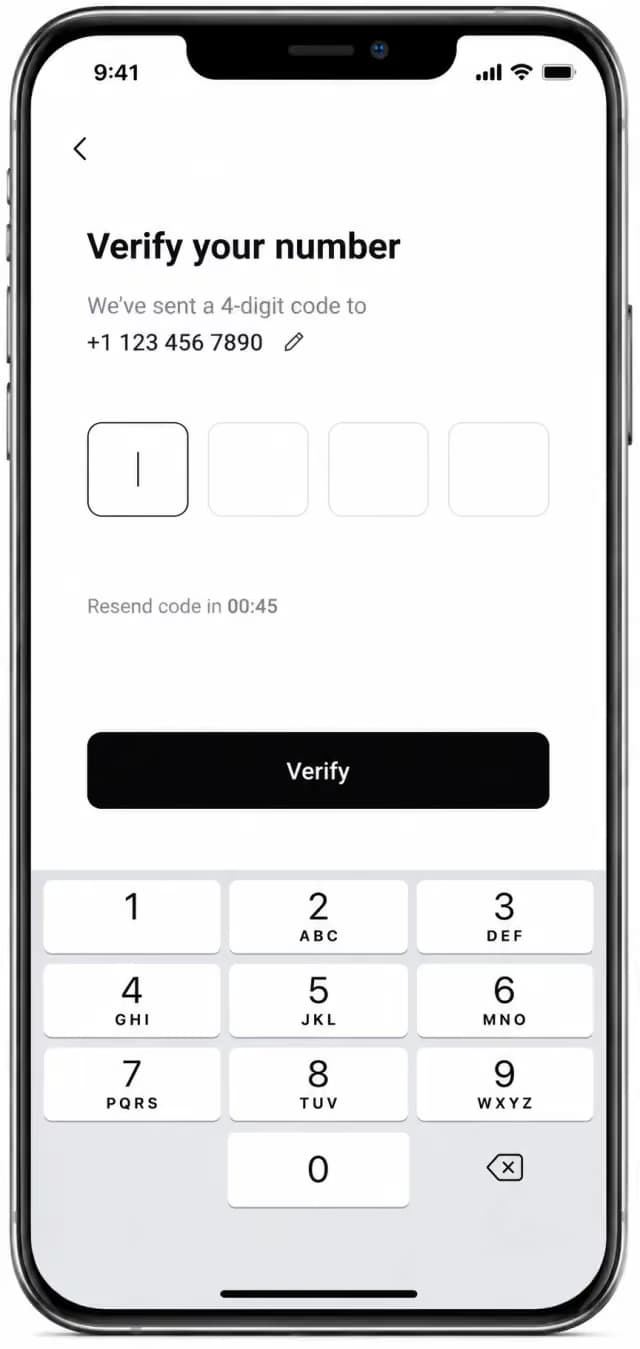
A typical platform includes a rider app, driver app and admin panel. Dispatcher and fleet tools may also be needed as operational complexity grows.
5. Prepare for launch
Test the complete trip journey with a small group before opening more widely. Monitor booking requests, completed trips, cancellations, acceptance rates, payment issues and customer feedback, then expand only when operations are stable.
Launch checklist
- Target market and service area are defined
- Operating model and local compliance have been reviewed
- Rider, driver and admin workflows are tested
- Fares and revenue model are documented
- Driver onboarding and customer support are ready